
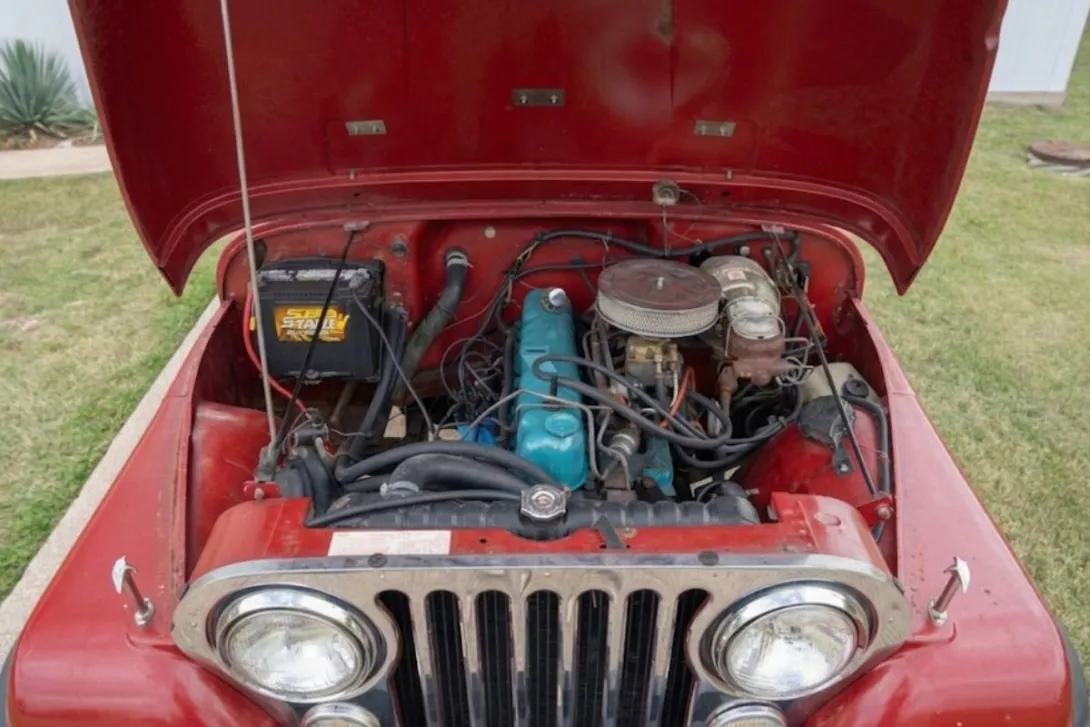
AMC 258 and AMC V8 Cooling Problems Explained
CJ overheating is one of the most misdiagnosed problems in the entire platform. The pattern is almost always the same:
- The Jeep starts running hot
- The owner installs a bigger radiator
- The Jeep still runs hot
- The thermostat gets removed
- It gets worse
- Then an electric fan goes in
- And now the charging system is struggling too
None of that is bad luck. It happens because cooling is a system, and throwing one expensive part at a system problem rarely fixes anything.
A healthy AMC 258 or AMC V8 does not naturally run hot. When a CJ overheats, something specific is wrong. And most of the time, the actual problem is cheaper and simpler than the radiator everyone wants to blame first. Before chasing cooling parts, confirm where this falls in your build sequence using the CJ Foundation Checklist.
This guide walks through what actually cools a CJ, why common overheating fixes often fail, and the diagnostic order that saves the most time and money.
The Three Things That Actually Cool a CJ
Every CJ cooling system depends on three separate systems working together:
| System | What It Does | Common Failures |
|---|---|---|
| Airflow | Pulls heat out of the radiator | Missing shroud, weak fan clutch, blocked fins |
| Coolant Circulation | Moves heat through the engine and radiator | Wrong water pump, thermostat problems, collapsing hoses |
| Heat Management | Prevents excess heat generation | Retarded timing, lean carburetor, incorrect gearing |
Most overheating problems happen because one of these systems is compromised. That matters because many CJ owners immediately replace the radiator before understanding which part of the system is actually failing. And the radiator is often innocent.
Bottom line: A CJ that overheats with a brand-new radiator almost always has another cooling system problem hiding underneath it. The radiator is usually the most expensive guess, not the actual diagnosis.
Airflow Problems: The Most Common Cause
Most CJ overheating issues at idle or low speed are airflow problems, not coolant-capacity problems. That distinction matters enormously.
At highway speed, air is naturally forced through the grille and radiator. But sitting in traffic, crawling trails, or idling in summer heat, the cooling system depends almost entirely on the fan pulling air through the radiator core. And that only works if the airflow system is complete.
The Fan Shroud Does More Than the Radiator
This is one of the most misunderstood cooling components on a CJ. Many owners think the fan shroud simply covers the fan. In reality, it is what allows the mechanical fan to cool efficiently at low vehicle speeds.
Without a shroud, the fan pulls air from the path of least resistance: around the radiator instead of through the radiator core. The fan is moving air, but much of that airflow never actually passes through the cooling fins where heat transfer happens.
The shroud changes this by creating a controlled low-pressure area behind the radiator. As the fan spins, the shroud helps concentrate and direct airflow through the entire radiator surface instead of allowing the fan to pull random air from the open engine bay. In simple terms, the shroud helps the fan pull air through the radiator instead of merely stirring air around the engine compartment.
That pressure differential becomes especially important at idle, in traffic, during trail crawling, and on hot days with minimal vehicle speed -- exactly the conditions where CJs most commonly overheat. Without the shroud, airflow efficiency drops dramatically because the fan loses its ability to create strong negative pressure behind the radiator core.
Things Worth Checking Immediately
Before replacing expensive cooling parts, inspect for:
- Missing shrouds
- Cracked shrouds
- Poorly fitting aftermarket shrouds
- Fan spacing inside the shroud
Fan depth matters more than most people realize. Ideally, the mechanical fan should sit roughly half-in and half-out of the shroud opening. That positioning helps maximize the low-pressure zone behind the radiator while minimizing airflow turbulence. If the fan sits too deep or too shallow, airflow efficiency drops significantly.
Bottom line: A properly positioned factory mechanical fan and shroud combination can move an enormous amount of air through a CJ radiator. Many overheating problems blamed on the radiator are actually airflow-efficiency problems caused by missing shrouds or incorrect fan positioning.
Test the Fan Clutch Before Blaming the Radiator
The factory mechanical fan clutch wears out gradually rather than failing dramatically, which makes it easy to miss. Over time, the clutch loses its ability to fully engage the fan at higher temperatures. The Jeep slowly runs hotter and hotter until owners start replacing unrelated cooling parts.
The test is simple. With the engine off and cold, spin the fan by hand. A healthy fan clutch should have noticeable resistance. If the fan free-spins easily like a pinwheel, the clutch is likely worn out.
Avoid the newspaper test: Some older guides recommend trying to stop the fan using a rolled-up newspaper while the engine is running. Do not do this. The drag-resistance test on a cold engine is safer, cleaner, and tells you what you need to know.
Electric Fans Are Not an Automatic Upgrade
Electric fan conversions come up constantly in the CJ world, usually presented as a modern improvement. In reality, the results are mixed at best.
The factory seven-blade mechanical fan with a healthy clutch, proper shroud positioning, and correct spacing moves an enormous amount of air. Many aftermarket electric fan setups struggle to match it inside the tight CJ engine bay, especially at idle, during trail crawling, and in hot weather. A surprising number of experienced CJ owners eventually switch back to the factory mechanical fan after trying multiple electric setups.
When Electric Fans Actually Make Sense
- Engine swaps eliminate mechanical fan clearance
- Belt-drive layouts change
- Accessory packaging creates interference
- Custom builds require additional space
But on a mostly stock AMC-powered CJ, a properly functioning mechanical fan is usually the better cooling solution.
In summary: An electric fan is a solution to a specific packaging problem, not a default cooling upgrade.
The Radiator: Capacity Is Not the Whole Story
The radiator matters. But it is usually the last thing worth suspecting, not the first. And bigger is not automatically better.
Many overheating symptoms blamed on the radiator are actually caused by airflow failures, coolant circulation problems, incorrect tuning, or fan inefficiency. A radiator can only remove the heat the rest of the system successfully delivers to it. That is why missing shrouds, weak fan clutches, incorrect water pumps, and retarded timing can all create overheating symptoms even with a healthy radiator installed.
When the Radiator Actually Is the Problem
Radiators absolutely can fail internally over time, especially on older CJs that have spent decades dealing with rust contamination, mineral buildup, stop-leak products, infrequent coolant changes, and mixed coolant types. As sediment accumulates inside the tubes, coolant flow becomes restricted and cooling efficiency drops.
The tricky part is that the radiator can still hold pressure, look clean externally, and appear visually fine while cooling performance steadily deteriorates internally.
Before Replacing the Radiator, Consider a Professional Inspection
A good radiator shop can often pressure-test the system, flow-test the radiator, chemically flush internal deposits, identify partially clogged cores, and repair or recore original brass and copper radiators. In many cases, a professionally serviced factory radiator performs better than a low-quality aftermarket replacement. That is especially true with older brass and copper CJ radiators, which were often built heavier and more serviceable than many modern budget aluminum units.
Bottom line: If the radiator is original, heavily corroded, or partially blocked internally, replacement may absolutely be justified. The key is diagnosing the radiator instead of assuming it is guilty automatically.
More Core Rows Are Not Always Better
One of the most common CJ myths is that more rows equal more cooling. Not necessarily.
Adding additional rows increases airflow restriction through the core. A poorly designed four-core radiator can actually cool worse than a clean, healthy three-core because airflow drops dramatically through the denser core. For most AMC-powered CJs, a healthy three-core radiator with proper airflow and good circulation is more than capable of handling normal street and trail use.
Aluminum vs. Brass: The Argument That Misses the Point
The internet loves arguing aluminum versus brass and copper. In reality, airflow, circulation, and radiator quality matter far more than material alone.
Copper is actually more thermally conductive than aluminum, which surprises many people. Aluminum radiators became popular largely because modern manufacturing allows larger tube designs, lighter assemblies, and more efficient airflow packaging -- not simply because aluminum itself transfers heat better.
A well-designed aluminum radiator can absolutely outperform an older brass and copper radiator. But a cheap aluminum radiator is not automatically superior. A quality brass and copper radiator with clean fins, proper airflow, and good circulation will often outperform a low-quality aluminum radiator installed into an otherwise unhealthy cooling system.
Bottom line: A clean, functioning factory-style cooling system will cool most AMC-powered CJs just fine, even in hot climates. Most overheating problems come from airflow problems, circulation problems, or incorrect tuning -- not insufficient radiator size.
Coolant Circulation Problems
Sometimes the airflow system is working perfectly and the Jeep still overheats. That usually means coolant circulation is compromised somewhere. And this is where some of the most expensive misdiagnoses happen.
Do Not Remove the Thermostat
Removing the thermostat to cure overheating is one of the oldest CJ myths still circulating today, and it usually makes the problem worse.
The thermostat does two jobs. It controls minimum operating temperature, and it regulates coolant flow speed through the radiator. That second job is the important one. Coolant needs time inside the radiator to actually shed heat. Without a thermostat, coolant can move through the system too quickly, reducing heat transfer efficiency and creating hot spots inside the engine.
A Colder Thermostat Does Not Add Cooling Capacity
This is another extremely common misunderstanding. A 160-degree thermostat does not magically make the engine run cooler than a properly functioning 195-degree thermostat. The thermostat only controls when coolant begins circulating. It does not increase airflow, radiator efficiency, or cooling system capacity. If the Jeep overheats with a 195 thermostat, the problem is elsewhere.
One Useful Trick During Refills
Some owners drill a very small bleed hole in the thermostat flange. This helps trapped air escape during coolant fills and can reduce air-pocket issues during servicing. That is a refinement -- not a workaround for removing the thermostat entirely.
Check the Water Pump Rotation
This one fools experienced mechanics, not just beginners. The AMC inline-six used two different water pump rotation directions depending on the belt system:
- V-belt systems use standard rotation pumps
- Serpentine systems use reverse rotation pumps
The problem appears when previous owners mix components, parts counters supply incorrect pumps, or 4.0 parts get blended into 258 setups. The pumps look extremely similar. But if the rotation is wrong, the impeller pushes coolant the wrong direction through the system. The result is dramatic overheating even though everything else appears correct.
Cheap Water Pumps Create Problems Too
Not all replacement pumps are equal. Some lower-quality remanufactured pumps use poor impeller designs, reduced vane depth, or inferior castings. That can reduce coolant circulation significantly even when the rotation direction is technically correct. This is one area where cheap parts often become expensive twice.
Safety note: Only remove the radiator cap on a cold engine. A hot cooling system is pressurized and can spray scalding coolant unexpectedly. Keep hands, tools, and clothing clear of fans and belts whenever the engine is running.
Don't Forget the Hoses
A collapsing lower radiator hose is an easy thing to miss and a legitimate overheating cause. The lower hose sits on the suction side of the water pump. Without a functioning internal support spring, the hose can collapse under RPM and choke coolant flow. The tricky part is that it often looks perfectly normal sitting still -- the failure only appears while the engine is working.
Inspect for soft spots, swelling, cracks, missing support springs, and corroded springs inside the hose. This is cheap insurance compared to the parts most owners buy chasing the same symptom.
Heat Management Problems
Sometimes every cooling component checks out and the Jeep still runs hot. That usually means the engine is generating excessive heat rather than failing to remove it. And this is where cooling diagnostics start overlapping with ignition tuning, carburetor tuning, gearing, and drivetrain load.
Ignition Timing Can Make a CJ Run Hot
Retarded ignition timing dumps additional heat into the exhaust, the cylinder head, and the cooling system. The engine feels sluggish, weak, and hotter under load. Many owners start replacing cooling parts instead of correcting the timing curve.
Lean Carburetors Create Heat
Lean air-fuel mixtures burn hotter. Vacuum leaks, incorrect jetting, or emissions-control issues can all raise combustion temperatures significantly. This is especially common on aging Carter BBD systems with vacuum leaks, failed stepper motors, or cracked hoses. See diagnosing your Carter BBD idle before chasing cooling parts.
Tire Size and Gearing Matter More Than People Expect
Large tires with stock gearing increase engine load dramatically. That means more throttle, more heat generation, and less cooling margin on grades. A CJ struggling to hold highway speed with oversized tires is creating far more heat than the factory cooling system was designed around. See why bigger tires change more than clearance for the full gearing picture.
Other Heat Sources Worth Checking
- Dragging brakes
- Transmission load
- Poor fuel quality
- Exhaust restrictions
- Tight engine compartments after swaps
Sometimes the cooling system is functioning correctly. The engine is simply being overworked.
One Problem That Mimics Everything Else
A failing head gasket can create overheating symptoms that look almost identical to bad radiators, weak coolant circulation, or airflow problems. Combustion gases leaking into the cooling system can over-pressurize the radiator, push coolant out of the overflow, create persistent air pockets, cause random temperature spikes, and make the Jeep overheat even with otherwise healthy cooling components.
Common warning signs include:
- Unexplained coolant loss
- Bubbles appearing in the radiator neck
- A sweet coolant smell from the exhaust
- White smoke during startup
- Cooling systems that repeatedly overheat despite proper repairs
On AMC inline-sixes, overheating itself can sometimes trigger the head gasket problem owners are trying to diagnose in the first place. That is one reason persistent overheating should never be ignored.
Bottom line: Head gasket failures happen on AMC engines, but they are far less common than airflow problems, incorrect ignition timing, fan clutch failure, missing shrouds, and circulation issues. Most overheating CJs do not need engine teardown. They need accurate diagnosis.
A Diagnostic Order That Saves Money
Start with the checks that require no coolant draining or disassembly. Many CJ overheating problems can be identified visually before replacing a single part.
- Confirm the fan shroud is present and correctly positioned
- Test the fan clutch
- Inspect the radiator fins for blockage or debris
- Check ignition timing and fuel mixture
- Look for obvious coolant leaks or hose collapse
- Look for head gasket warning signs
- Confirm the radiator is clean and flowing properly
- Verify the thermostat is installed and functioning
- Confirm water pump rotation matches the belt system
- Consider additional cooling capacity last
Most CJ overheating problems reveal themselves early in this list. The radiator should usually be the last major component blamed, not the first.
The Real Goal Is Cooling Margin
The best-running CJs are not operating right on the edge of overheating. They have cooling margin. That means correct airflow, proper circulation, healthy ignition timing, proper gearing, and a fan system matched to how the Jeep is actually used.
A CJ that barely survives a summer traffic jam is not running fine. It is warning you that something in the system still is not right.
One Final Thought
The biggest mistake in CJ cooling diagnostics is treating overheating like a radiator problem. It usually is not. Cooling systems only work when airflow, coolant circulation, and heat generation all stay balanced together. Once you understand that, most overheating problems become dramatically easier and cheaper to diagnose correctly.
Related: Step 7: Make the Cooling System Honest | AMC 258 fuel system options explained | why bigger tires change more than clearance | Build an honest electrical foundation