
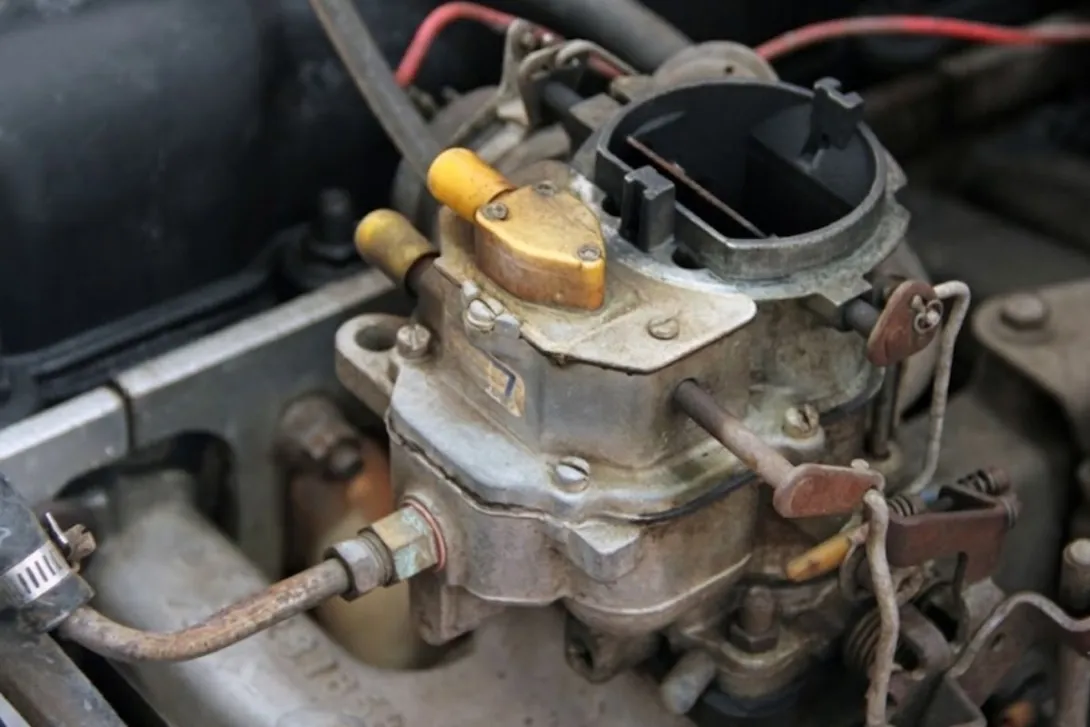
Before You Replace That Carter BBD, Try This First
The Carter BBD may have the worst reputation of any component on a Jeep CJ. Ask a group of CJ owners about rough idle problems, and you will quickly hear recommendations for Weber swaps, Motorcraft conversions, or even EFI upgrades.
Sometimes those upgrades are justified.
But before you spend hundreds or even thousands of dollars replacing your fuel system, there is one common Carter BBD problem that deserves a closer look. The fix costs almost nothing, requires no rebuild kit, and can often be completed without removing the carburetor from the engine.
If your AMC 258 stumbles at idle, stalls at stop signs, or only stays running when the idle speed is turned way up, clogged idle tubes may be the culprit. It is easy to diagnose and relatively easy to fix.
This is exactly what we mean by better, not different. Make the part you have work properly before deciding it needs to be replaced. Before you start, confirm your fuel system is the right next step by working through the CJ Foundation Checklist -- fuel is Step 4, and several earlier systems can create symptoms that look like carburetor problems.
A note on where this comes from: This fix has circulated in the CJ community for decades. The most widely shared writeup is generally credited to Terry Howe, who in turn credited Randy Peterson for the original solution. We are not claiming to have discovered it. What we have done is pull the diagnosis, the cleaning steps, and the troubleshooting that usually gets scattered across forum threads into one place, so you can work the problem start to finish without piecing it together yourself.
Common Symptoms of Clogged Carter BBD Idle Tubes
One of the reasons this issue is so often misdiagnosed is that the Jeep usually runs reasonably well once you are moving. The problems show up when the engine returns to idle. Common symptoms include:
- Stumbling or sputtering at idle
- Stalling when coming to a stop
- Dying after returning to idle from highway speeds
- Needing excessive idle speed adjustment just to stay running
- Poor fuel economy
- An engine that runs significantly better above idle than at idle
If that sounds familiar, do not order a replacement carburetor just yet.
First, Know Which Carter BBD You Have
The AMC 258 used two versions of the Carter BBD.
Pre-1982 Carter BBD
Earlier BBD carburetors are conventional mechanical units with no computer control.
1982-1986 Feedback Carter BBD
Later versions use a stepper motor mounted on the rear of the carburetor. The stepper motor works with the ECU and oxygen sensor to adjust fuel delivery. These feedback carbs are the versions most commonly associated with the Nutter Bypass modification.
The good news is that clogged idle tubes affect both versions, and the cleaning procedure is essentially the same regardless of which carburetor you have.
Quick Test: Is It Really the Idle Tubes?
Before disassembling anything, confirm that you are actually dealing with an idle tube issue. One of the biggest mistakes CJ owners make is throwing parts at a problem without diagnosing it first.
If your Jeep runs well at higher RPM, struggles only at idle, stalls when returning to idle, and shows fuel dripping from the venturi nozzles at idle, there is a strong chance the idle tubes are clogged. Let's confirm it.
How to Diagnose a Carter BBD Idle Tube Problem
Remove the air cleaner cover and open the choke plate so you can see down into the carburetor throat. Inside, you will see the venturi cluster. Look for the two screws with holes through their centers and the discharge nozzles located in each passage. These nozzles should only deliver fuel when air is moving through the carburetor.
Safety warning: Never place your face directly over a running carburetor. A backfire can send flames up through the carb throat and cause serious injury. The factory service manual specifically recommends covering the carb opening with clear plexiglass during this inspection. Keep hands away from moving belts and fans, secure loose clothing and sleeves, and stay clear of the carb opening while the engine is running.
What you are looking for: Start the engine and observe the nozzles at idle. If the idle tubes are clogged, you will often see fuel dripping from the nozzles while the engine idles. That dripping fuel is the key indicator.
Next, slightly open the throttle by hand or have a helper briefly press the accelerator. You should see two clean, even streams of fuel during throttle application, and no fuel dripping after the throttle closes.
If fuel continues to drip at idle, the idle tubes are likely restricted. If the streams are clean and there is no idle dripping, your rough idle is probably being caused by something else -- the troubleshooting section below is where to go next.
What You Will Need
| Tool | Purpose |
|---|---|
| 3/16-inch socket or small flat screwdriver | Remove choke plate screws |
| 1/4-inch socket | Remove choke linkage hardware |
| Carburetor cleaner | Clean deposits and passages |
| Thin piano wire or fine pin | Clear idle tubes |
| Labels or masking tape | Mark hoses and wiring |
Before You Start
This repair does not require removing the carburetor, does not require a rebuild kit, usually takes less than an hour, and costs very little. It can often restore normal idle immediately. Work with the engine off and the vehicle safely parked before beginning disassembly.
How to Clean Carter BBD Idle Tubes
Stage 1: Access the Venturi Cluster
- Remove the air cleaner assembly and set it aside. You may need to disconnect several hoses and electrical connections. Label everything as you go so reassembly is straightforward.
- Remove the retaining hoop or bracket that secures the air cleaner assembly.
- Remove the two choke plate screws using a 3/16-inch socket or screwdriver. Take care not to drop the screws into the intake manifold. Remove the choke plate.
- If equipped, remove the choke linkage cover plate. Some carburetors may require drilling out a small rivet to gain access. Remove the retaining screw and snap ring, then disconnect the choke rod.
Stage 2: Clean the Idle Tubes
- Remove the two venturi cluster screws and carefully lift the cluster out. Be careful not to lose the small gaskets underneath. Inspect the underside of the cluster. You should see two pressed-in idle pickup tubes. If one has fallen out, you have likely found the source of your idle problem.
- Spray the venturi cluster and surrounding carburetor passages thoroughly with carburetor cleaner. Avoid disturbing the check ball located in the center of the assembly.
- Use a piece of thin piano wire or a fine pin to carefully clear the idle tubes and nozzles. Once the passages are open, spray everything again with carburetor cleaner to flush out remaining debris.
Stage 3: Reassemble the Carburetor
- Reinstall the cluster with both gaskets and secure it with the original screws.
- Reconnect the choke rod, snap ring, and retaining screw. Reinstall the choke plate and verify smooth operation. While you are here, check all visible carburetor body screws. These often loosen over time and can contribute to dirt entering the carburetor.
- Reconnect all tagged hoses and wires and reinstall the air cleaner assembly. Start the engine and evaluate the idle quality.
If clogged idle tubes were the problem, the improvement is usually immediate.
An Easier Alternative on Some Jeeps
Depending on your engine bay layout, it may be easier to remove the top of the carburetor rather than removing the choke plate and linkage. This approach lets you inspect the float and float adjustment and check for debris inside the fuel bowls. It is also often easier on vehicles equipped with power brakes, where the master cylinder can interfere with choke rod removal. Either method provides access to the same idle tubes.
Why Do Carter BBD Idle Tubes Keep Clogging?
If you have cleaned the tubes more than once, there may be an underlying issue contributing to the buildup. Common causes include dirt entering through loose carburetor screws, contaminated fuel, debris in the fuel bowls, rust from aging emissions components, and general buildup from decades of use. If clogging becomes a recurring problem, investigate the source rather than repeatedly cleaning the symptom.
Optional preventive step: A long-discussed fix in the CJ community is carefully enlarging the crimped ends of the idle tubes to roughly 0.032 inch, which greatly reduces how often they reclog. The tube ends are soft brass and open up easily. Be clear on one thing before you pick up a drill: this is a permanent modification to the carburetor, not a reversible cleaning step, and there is no undoing it if it goes wrong. If you are not fully comfortable making a permanent change like this yourself, that is a good point to hand the carburetor to a professional rather than risk an irreversible mistake.
Still Running Rough? Check These Next
Cleaning the idle tubes solves one very specific problem. If your idle is still poor, work through these before condemning the carburetor.
Vacuum Leaks
Vacuum leaks are the most common reason a clean carb still idles badly. Inspect all vacuum hoses for cracks, brittleness, and incorrect routing, and check for throttle shaft wear, which can create leaks that are hard to spot.
A concrete test: with the engine warm and idling, back the idle speed screw all the way out so the throttle plates close completely. A healthy engine should stall. If it keeps running, air is getting in somewhere it should not.
To locate the leak, lightly spray carburetor cleaner around the base of the carburetor and along the intake manifold while the engine idles. If the idle speeds up or changes when you hit a particular spot, that is your leak. Pay special attention to where the manifold meets the cylinder head. The 258 is well known for leaking at the manifold-to-head joint, and that leak mimics a fuel problem closely enough to send people chasing the carburetor for weeks.
Loose Carburetor or Intake Manifold
Verify that the carburetor mounting hardware and the intake manifold bolts are properly tightened. These loosen with age and create the same kind of air leak that looks like a fuel delivery problem.
Float Problems
If the engine is flooding, producing black smoke, or running excessively rich, inspect the float adjustment, the needle and seat condition, and the float integrity. A missing or sunk float will dump fuel and foul the engine.
Pulse-Air System Issues
On emissions-equipped CJs, failing pulse-air components can introduce debris into the intake system. Repeated idle tube clogging may point to an upstream contamination source rather than the carb itself.
Ignition and Timing Problems
Not every rough idle is a carburetor problem. Weak ignition components, incorrect timing, and electrical issues can create symptoms that look exactly like fuel problems. On older CJs, fuel symptoms are often electrical symptoms in disguise, which is why the electrical foundation comes before the fuel system in a proper build sequence.
What About the Nutter Bypass?
If you own a 1982-1986 feedback-carburetor CJ and idle problems persist after cleaning, many owners consider the Nutter Bypass as the next step. The modification removes ECU control of the stepper motor and simplifies fuel control. It can be effective, but it is a separate procedure with its own considerations and should be approached as its own project.
Before You Buy a New Carburetor
The Carter BBD has earned some of its reputation, but clogged idle tubes are one problem that is often mistaken for a worn-out carburetor. Before investing in a carburetor swap or EFI conversion, spend a little time confirming whether the idle tubes are blocked.
If this fix restores a smooth idle, you have saved yourself a significant amount of money and avoided replacing parts that were never actually broken. And if it does not solve the problem, you have ruled out one of the most common causes and can move forward knowing your next step is justified.
That is the philosophy behind building a reliable CJ. Make the system honest before replacing it.
Related: Step 4: Address the Fuel System | AMC 258 fuel system options explained