If your CJ starts fine on Tuesday and won't crank on Friday, welcome to classic Jeep ownership.
The good news: CJ electrical problems are rarely complicated. The bad news: they're usually layered. Heat cycles, vibration, corrosion, and forty years of "just for now" wiring turns a simple system into a collection of weak links.
The goal isn't to turn your CJ into a rolling computer. It's simpler than that: starts every time, charges correctly, lights that actually work, and clean power for whatever you add later.
Start with the foundation. Not the accessories.
The mistake most people make is adding accessories to a fragile base and then blaming the accessory when things go sideways.
Decide what you're building first:
- Stock reliability, mostly original loads
- Stock plus a few basics: relayed headlights, radio, maybe a winch
- Accessory heavy: electric fan, off-road lights, inverter, modern stereo
The wiring strategy changes depending on your answer. The foundation doesn't.
Battery cables and connections
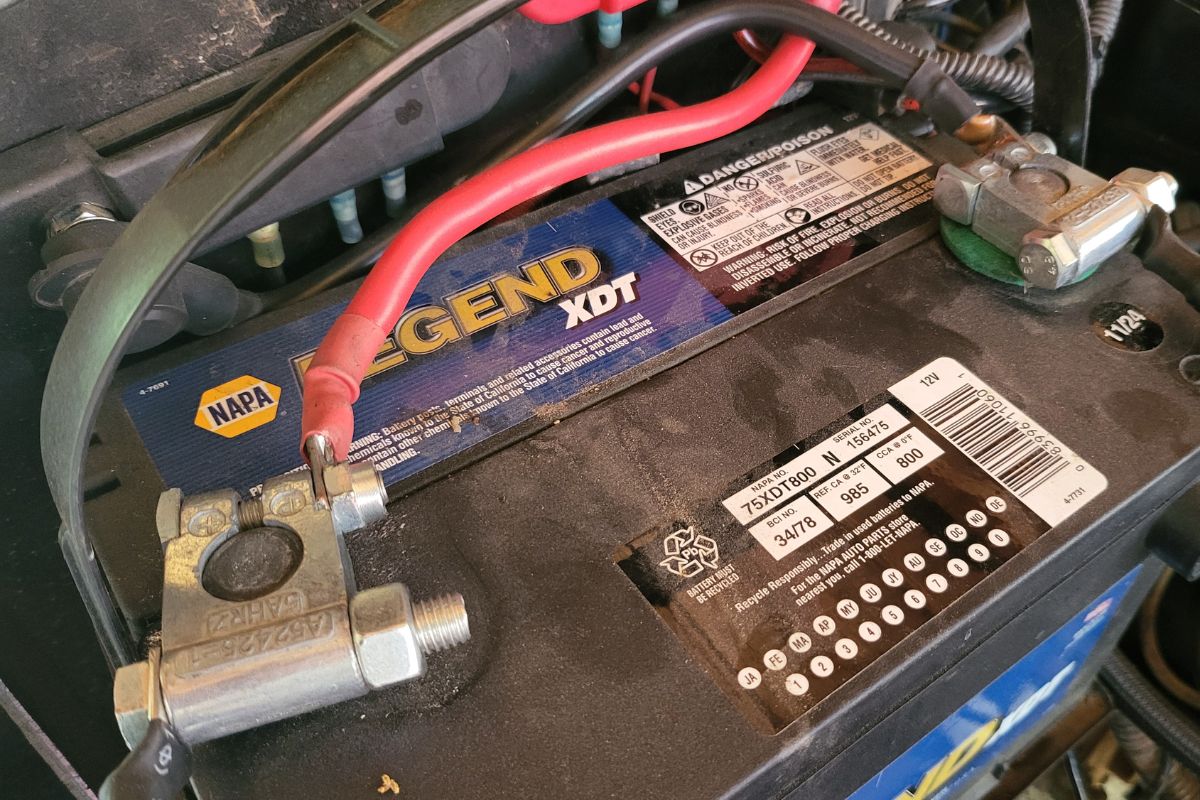
Most CJ electrical problems start here, at the highest current circuit in the system.
What to inspect:
- Terminals and the first six inches of cable
- Insulation condition near the headers
- Terminal ends: if you can twist them by hand, they're already failing
A brand new battery won't fix a half-corroded cable end. High current circuits don't tolerate almost good.
Grounds
A CJ doesn't have one ground. It has a ground system. When that system is weak, current finds its own path through linkages, cables, and whatever metal happens to be nearby.
Build this at minimum:
- Battery negative to engine block
- Engine block to frame
- Frame to body tub
Then add dedicated grounds for headlights, tail lights, and the dash cluster.
Practical checkpoint: if you turn on the headlights and the dash does something weird, you're not haunted. You're missing a solid ground.
Test voltage drop. Don't guess.
A multimeter reading at rest can look completely fine while the circuit is quietly failing under load. Voltage drop testing finds hidden resistance in cables and connections while the circuit is actually working.
ALLDATA has a straightforward voltage drop guide that explains exactly what you're measuring and why it matters: ALLDATA Voltage Drop Test
Fluke has a practical step-by-step walkthrough specifically for starter circuit voltage drop, which is exactly where CJs like to hide problems: Fluke Starter Circuit Voltage Drop Guide
The simplified version:
- Test under load, not at rest
- Measure across the connection while the circuit is live
- The bigger the drop, the bigger the problem
Most gremlins show up by this step.
Verify the charging system before you replace anything
A lot of CJs get new alternators they didn't need.
Do this first:
- Engine running: check voltage at the battery
- Then check voltage at the alternator output stud
- If the alternator reads good but battery voltage is low, the problem is the wiring path, not the alternator
This is also where voltage drop testing earns its keep again. You can prove whether the charge wire is actually delivering current instead of hoping it is.
Also check:
- Belt tension and pulley alignment
- Alternator output wire condition and routing
- Charge circuit protection: factory fusible links or a modern main fuse depending on your setup
Test first. Replace second.
Clean up the fuse strategy
A typical CJ ends up with three inline fuse holders, two mystery splices, and a wire that changes color halfway down the firewall. That's not a system. That's a scavenger hunt.
Simple fix:
- Keep factory circuits factory where possible
- Move add-ons to a dedicated fused distribution point
- Label everything
Stop tapping into the ignition feed under the dash. That's how you get voltage drop, hot switches, and intermittent no-start moments that ruin weekends.
Headlights need relays, not magic bulbs
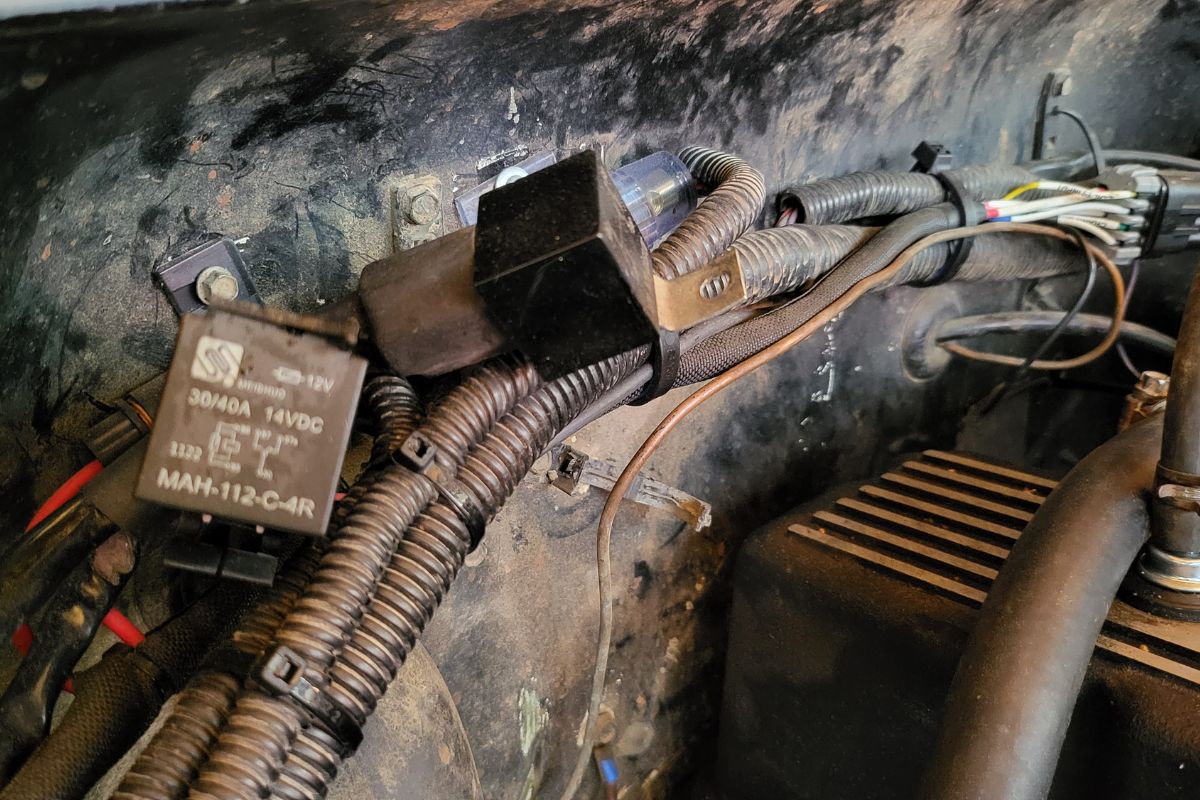
CJ headlights are dim because of voltage drop. Long runs, old switches, thin wiring, tired grounds. The bulb isn't always the problem.
The fix:
- Power headlights directly from a fused feed through relays
- Use the factory switch to trigger the relay, not carry the load
- Clean up the headlight grounds
Daniel Stern's relay writeup explains the mechanics clearly: relays deliver full current to the lamps with far less voltage drop, while the switch only handles the relay coil. Worth reading before you buy anything: Daniel Stern Lighting -- Relays
Lighting isn't a comfort upgrade. It's a visibility and reaction time issue.
Keep ignition and starting circuits simple and separate
Common failure points:
- Worn ignition switch
- Loose bulkhead connector pins
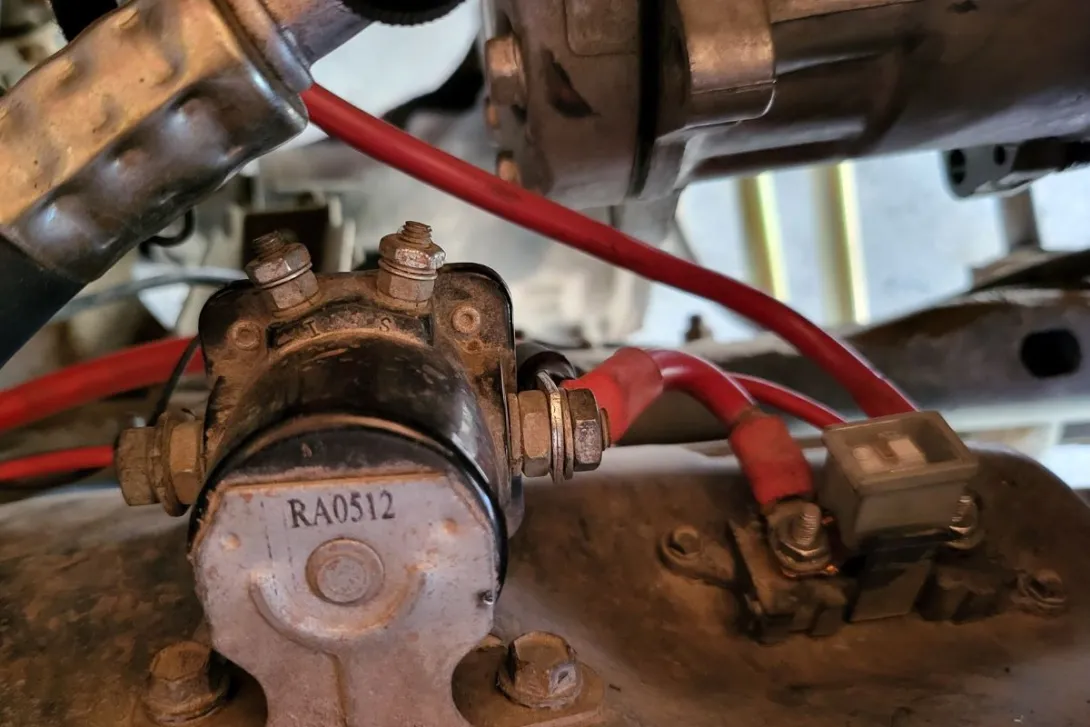
- Old solenoid connections
- Aftermarket wiring that got "simplified" into confusion
Best practice:
- Keep ignition power and accessory power separate
- Ensure the starter solenoid wiring is clean, tight, and protected from heat
- If you have intermittent crank, confirm the solenoid trigger wire gets full voltage during crank
If the CJ starts when you jump the solenoid but not from the key, that's a diagnostic gift. The starter is fine. The control path isn't.
Routing and strain relief matter more than people think
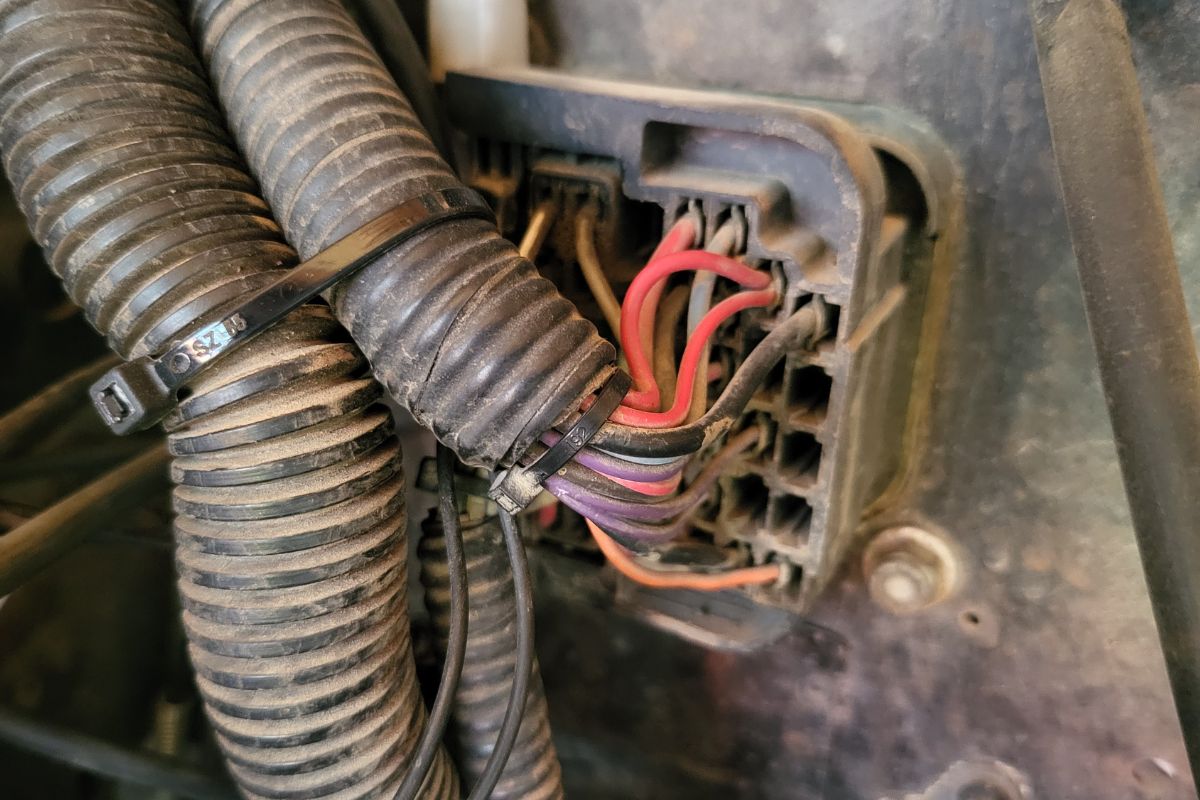
CJs vibrate. They flex. They get washed. Wiring that survives a sedan doesn't always survive a Jeep.
Do this:
- Grommets through firewall and body panels
- Keep wiring away from headers and sharp edges
- Loom where abrasion is possible
- Strain relief near connectors so vibration doesn't work the copper
Avoid scotch locks, twist and tape, and wire nuts. Yes, people use wire nuts.
When something acts up, use this order:
- Battery state and terminal tightness
- Grounds, especially battery to block and block to frame
- Voltage drop under load -- ALLDATA Voltage Drop Test
- Charging voltage at alternator and battery
- Isolate the circuit and test from source to load, one segment at a time
Most problems reveal themselves by step three.
The parts that matter most when rebuilding the foundation:
- Battery cables and terminals
- Ground straps and hardware
- Fused distribution panel
- Headlight relay harness and grounds
- Wire protection: loom, grommets, clamps, heat sleeve
Build the base first. Add accessories second.
You don't need to overbuild a CJ electrical system. You need to make it honest.
Clean power path. Solid grounds. Sensible fusing. Good routing. Verified results.
Do that, and your CJ stops being a vehicle you hope will start and becomes one you expect to start. That is the whole point.
Calm reliability beats clever wiring every time.